
Notice: We do not service domestic animals (cats/dogs), coyotes, cougars, or bobcats.

Notice: We do not service domestic animals (cats/dogs), coyotes, cougars, or bobcats.

Google Reviews
(360) 667-1272elijah.wilson@safenestwildlife.com
HomeAbout UsWildlife LibraryBlogFAQsContact
Call: (360) 667-1272
(360) 667-1272
Wildlife Trapping and RemovalExclusion RepairsWildlife Cleanup and SanitationInsulation ServicesVapor BarrierRat Removal ServicesBat Removal & ExclusionRodent Proofing ServicesCrawl Space Restoration
View all services
HomeAbout Us
Services
Wildlife Trapping and RemovalExclusion RepairsWildlife Cleanup and SanitationInsulation ServicesVapor BarrierView all services
Wildlife LibraryBlogFAQsContact
Call: (360) 667-1272

Request an inspection

Loading the booking form…

Loading

SafeNest Wildlife is your local partner for professional, humane wildlife removal and long-term exclusion repairs. We keep the wild where it belongs, sealing your home for good.

  • (360) 667-1272
  • elijah.wilson@safenestwildlife.com
  • 16812 SE 1st Street, Unit 40, Vancouver, WA 98684
    (opens in a new tab)

Our Services

  • Wildlife Trapping and Removal
  • Exclusion Repairs
  • Wildlife Cleanup and Sanitation
  • Insulation Services
  • Vapor Barrier
  • Rat Removal Services
  • Bat Removal & Exclusion
  • Rodent Proofing Services
  • Crawl Space Restoration

Company

  • Home
  • About Us
  • Services
  • Wildlife Library
  • Blog
  • FAQs
  • Contact

Business Hours

Mon – Fri
8:00am – 5:00pm
Sat – Sun
Closed

Service Areas

  • Vancouver
  • Camas
  • Ridgefield
  • Battle Ground
  • Portland
All Areas

© 2026 SafeNest Wildlife. All rights reserved.WA CL# SAFENL*748BZOR CCB# 262372

  • Privacy Policy
  • Terms of Service
  1. Home
  2. Wildlife Library
  3. Voles

Voles

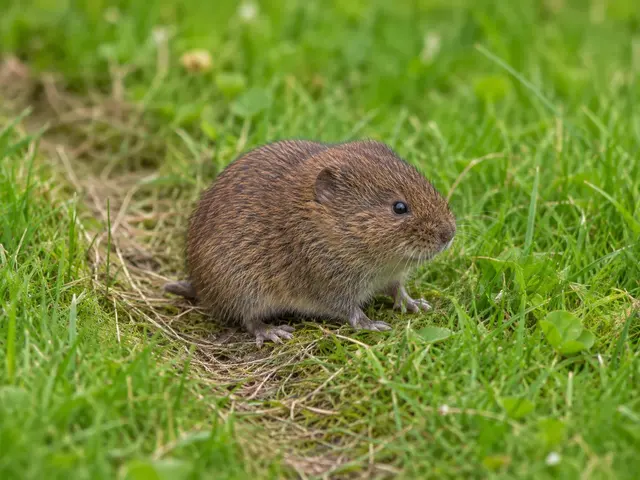
Meadow vole sitting on a worn runway in lawn grass

Species identification

Voles profile

Identification & behavior

Also known as meadow mice, voles are small rodents that specialize in destroying plant life. Unlike moles, which eat insects, voles are herbivores. They use surface runways hidden by grass or snow and often hijack abandoned mole tunnels to access root systems.
Common Signs

  • Narrow, well-worn surface runways (about 2 inches wide) through the grass.
  • Girdling (gnawing of bark) around the base of trees and shrubs.
  • Wilted or dead plants with completely severed root systems.
  • Small, open burrow entrances without mounds of dirt.

Structural & Health Risks

  • Severe Plant Damage: They can kill mature shrubs and small trees by girdling the bark.
  • Crop Loss: Voles will decimate flower bulbs, root vegetables, and garden crops.
  • Rapid Multiplication: Similar to mice, their population can explode in a single season.

Why Your Home?

  • Vegetative Cover: Thick grass, ground cover, and mulch provide protection from predators.
  • Root Access: Gardens and orchards provide an abundant food source.

Did You Know?

  • Vole teeth grow continuously, requiring them to constantly gnaw on plants.
  • They can swim and are strong runners, but rarely climb.
  • A female vole can have 5 to 10 litters in a single year.

Schedule an Inspection for Voles

SafeNest Wildlife van
Call: (360) 667-1272